

Is a leather modular sofa actually different from a regular leather sofa?
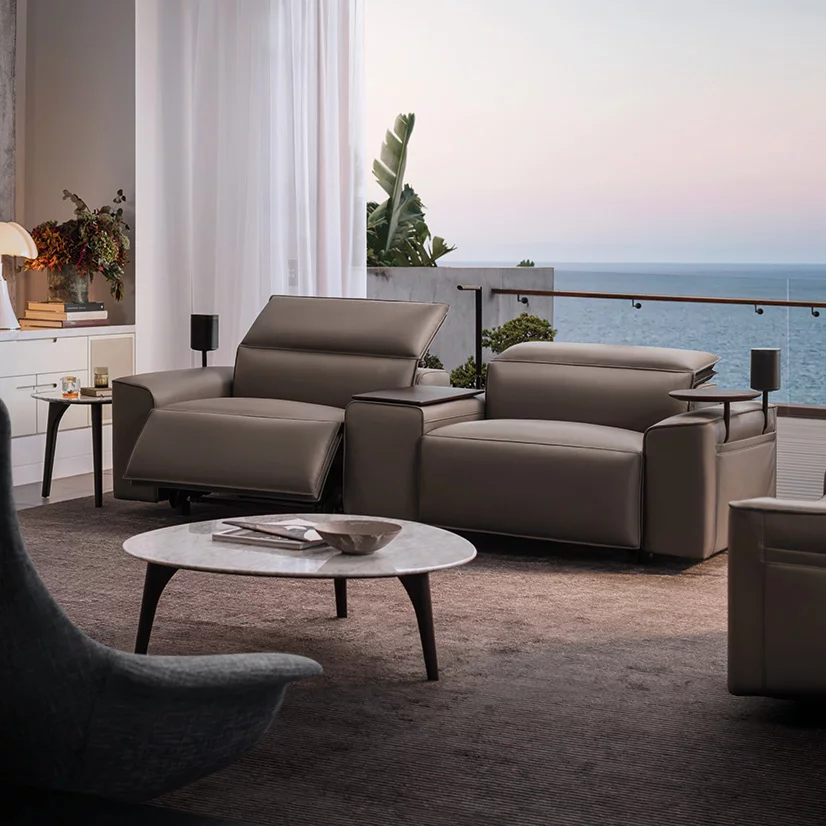
Yes. A modular sofa is built from individual sections, so they can be rearranged into an L-shape, U-shape, chaise setup, or separate seats. In leather, that flexibility comes with extra seams, connection points, and edges, which affects comfort, durability, and maintenance compared to a single-frame leather sofa.
Do leather modular sofas last longer than fabric modular sofas?
Often, but not automatically. High-quality leather can outlast many fabrics because it resists pilling and holds up well to friction. However, modular designs add more stress points at seams and where pieces connect, so longevity depends heavily on the frame, stitching, and leather grade rather than the concept alone.
What type of leather is worth paying for?
Full-grain and top-grain options are usually the safest bets when choosing leather modular sofas for long-term durability and better aging. Bonded leather and many “genuine leather” options in the leather modular sofas category can look good at first but tend to peel, crack, or wear unevenly with time. If they want the investment to make sense, they should verify the leather type, thickness, and whether the leather modular sofas upholstery is corrected, coated, or heavily processed so durability aligns with expectations.
Will a leather modular sofa feel comfortable for everyday lounging?
It can, but comfort is more variable than people expect. Leather can feel cool in winter and sticky in summer, and modular seats sometimes run firmer to keep their shape and alignment. Deep seats and softer fills are great for lounging, but they can cause sections to drift or look slouchy faster if the construction is not strong.
Are leather modular sofas a good idea for families with kids?
They can be, especially with protected top-grain leather that wipes clean easily. The trade-off is scratches: toys, buckles, and rough play can mark leather more visibly than many performance fabrics. If they want a family-friendly setup, they should prioritize a durable finish, avoid delicate aniline leather, and choose darker or textured tones that hide wear.
How do leather modular sofas handle pets?
It depends on the pet and the leather. Claws can puncture or scratch leather, and those marks often become permanent character lines rather than “invisible damage.” If pets are part of the home, they should look for thicker top-grain leather, tighter grain patterns, and removable seat covers or throws to protect high-traffic spots.
Does modular flexibility really matter in real homes?
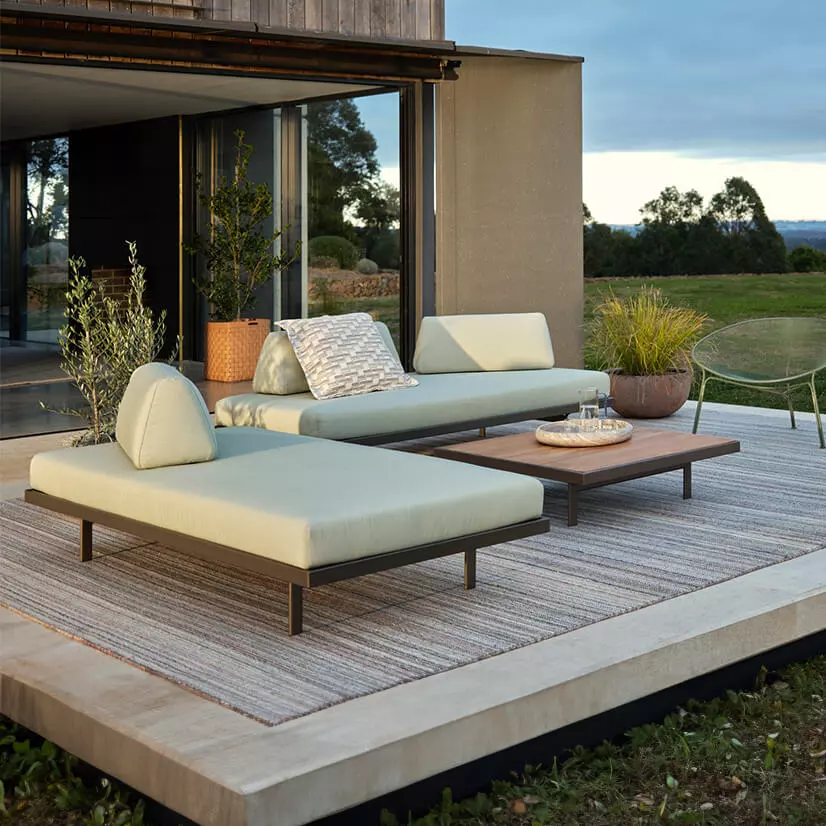
Yes, when the home layout changes. Modular sofas are most valuable for renters, frequent movers, or anyone who likes to refresh a room without buying new furniture. They can also solve awkward spaces by letting them add or remove sections, but they should measure carefully because modular pieces can be bulky and may not fit tight hallways or staircases.
Are they easy to move and reconfigure?
Reconfiguring is usually easy; moving is the tricky part. Individual modules are lighter than a full sofa, but leather modules can still be heavy and awkward, especially with power recliners or storage sections. They should confirm whether the modules lock securely, whether connectors scratch floors, and whether the pieces stay aligned during daily use.
What hidden costs should they expect?
The biggest hidden cost is “matching later.” If they plan to add modules in the future, the exact leather dye lot and finish may change, and discontinued collections can make expansion impossible. Delivery, white-glove assembly, and protection plans can also add up, so they should treat the total cost as the real investment, not just the sticker price.
Do leather modular sofas hold resale value?
Better models often do, but resale is not guaranteed. Leather can age attractively, yet modular sets are harder to resell because buyers need the right configuration and space. If resale matters, they should choose timeless colors, avoid overly trendy shapes, keep paperwork and care instructions, and pick a brand with replaceable parts.
How should they maintain a leather modular sofa?
They should plan on simple, regular care. Weekly dusting, quick wipe-downs, and keeping it away from direct sunlight go a long way. Conditioning is helpful a few times a year depending on the finish, but over-conditioning can cause buildup. If spills happen, they should blot rather than scrub and use products recommended for that specific leather type.
So, are leather modular sofas worth the investment?
They are worth it when they buy high-quality leather, a strong frame, and a configuration that fits how the household actually lives. They are a poor investment when the purchase is driven mainly by the “luxury” label, with unclear leather grading or a plan to add modules later without checking availability. The smart move is to verify materials, test comfort, and buy for long-term use rather than a showroom first impression.
FAQs (Frequently Asked Questions)
What makes a leather modular sofa different from a regular leather sofa?
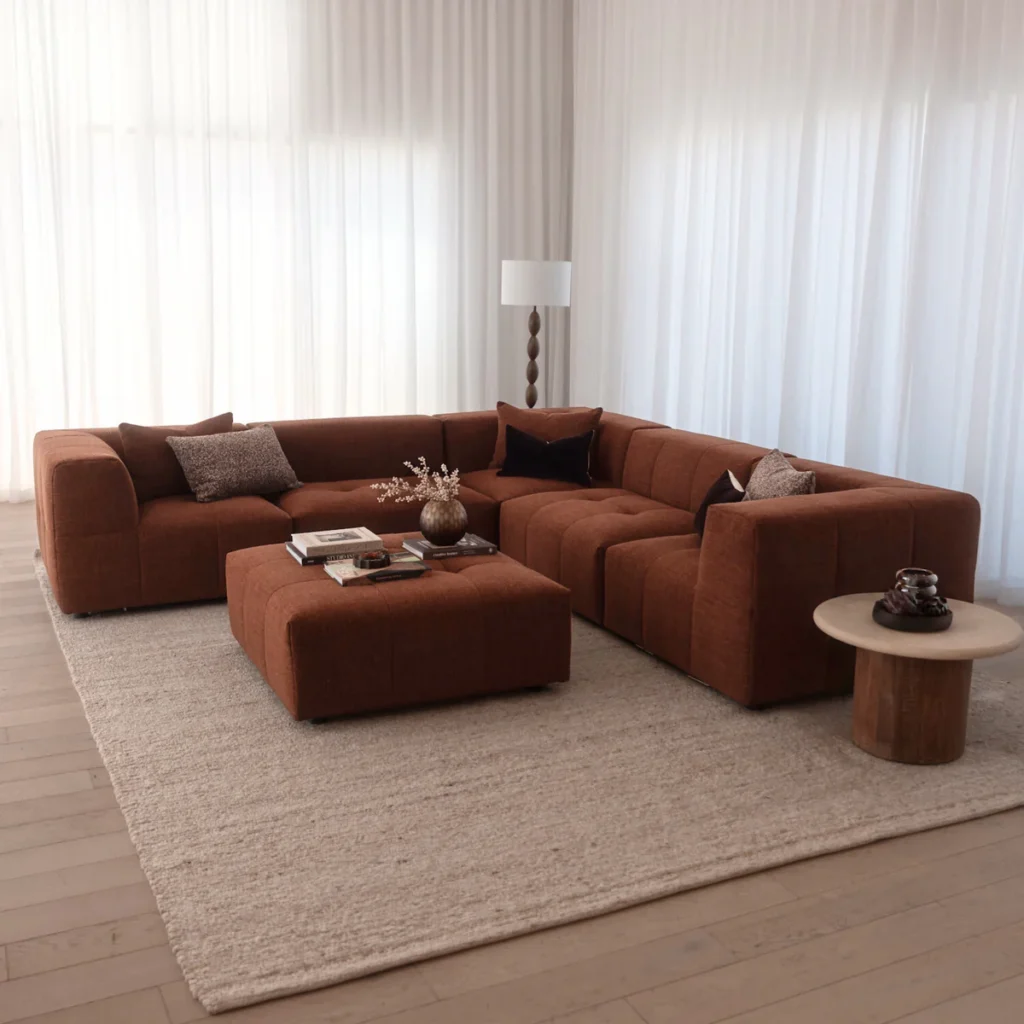
A leather modular sofa is composed of individual sections that can be rearranged into various configurations like L-shape, U-shape, chaise setups, or separate seats. This flexibility introduces extra seams, connection points, and edges, which can affect comfort, durability, and maintenance compared to a traditional single-frame leather sofa.
Do leather modular sofas typically last longer than fabric modular sofas?
Leather modular sofas often outlast fabric ones because high-quality leather resists pilling and handles friction well. However, the longevity depends heavily on factors like the sofa’s frame strength, stitching quality, and the grade of leather used rather than just the material type alone.
Which types of leather are best for durability in modular sofas?
Full-grain and top-grain leathers are generally the best choices for long-term durability and attractive aging. Avoid bonded leather and low-grade ‘genuine leather’ options as they tend to peel, crack, or wear unevenly over time. It’s important to verify the leather type, thickness, and whether it has been corrected or heavily processed before purchasing.
Are leather modular sofas comfortable for everyday lounging?
Leather modular sofas can be comfortable but comfort varies. Leather may feel cool in winter and sticky in summer. Modular seats often have firmer cushions to maintain shape and alignment. Deep seats with softer fills enhance lounging comfort but may cause sections to drift or slouch if construction isn’t robust.
Are leather modular sofas suitable for families with kids and pets?
They can be suitable when selecting protected top-grain leather that offers easy wipe-clean maintenance, as part of a pet- and child-friendly leather sofa durability and maintenance strategy. For families with children, prioritise durable protective finishes and avoid delicate aniline leathers; darker or textured tones also help conceal everyday wear. In homes with pets, scratching and puncture risks should be considered—thicker top-grain leathers with tighter grain structures, combined with removable covers or throws, provide an added layer of protection and longevity.
What maintenance is required to keep a leather modular sofa looking its best?
Regular simple care is key: weekly dusting, quick wipe-downs, and keeping the sofa away from direct sunlight. Conditioning should be done a few times per year depending on finish but avoid over-conditioning to prevent buildup. For spills, blot gently instead of scrubbing and use cleaning products recommended specifically for your sofa’s leather type.