

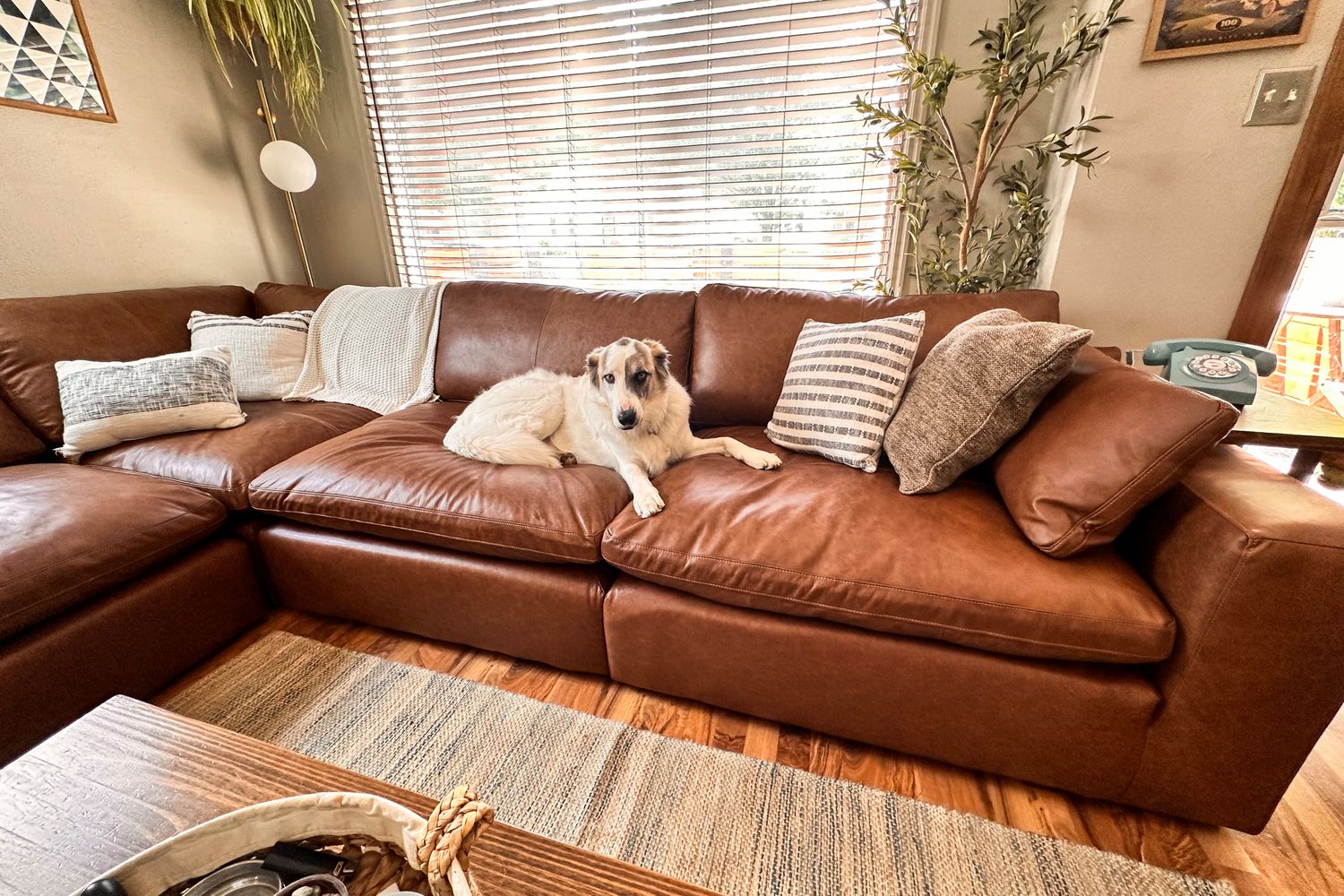
This guide focuses on what to look for so they can choose a chaise that feels good, wears well, and still looks contemporary years from now.
What makes a chaise sofa “best” for Australian homes?
The best chaise sofas in Australia suit the climate, the floorplans, and the way people actually use their lounge room. They should feel supportive for sitting, long enough for stretching out, and durable enough for high-traffic living.
Most importantly, they should match the room’s scale. A great chaise in-store can overwhelm an apartment once it is delivered, so dimensions matter as much as style.
Should they choose a left-hand or right-hand chaise?
They should choose based on room flow, not preference. The chaise should extend into open space, not block the main walkway between doors, hallways, and the TV zone.
A simple rule helps: when facing the sofa, a left-hand chaise sits on the left side, and a right-hand chaise sits on the right. If unsure, they can mark the sofa footprint with painter’s tape and test how it feels to move around it.
What size chaise sofa works best in small Australian living rooms?
For smaller rooms, they should prioritise a slimmer arm profile, higher legs, and a shallower seat depth when selecting the best chaise sofas australia options. Those details keep the sofa visually lighter and make the space feel less crowded while still delivering lounge comfort.
As a practical baseline, many compact designs in the best chaise sofas australia category land around 2300–2600 mm wide, but the “best” size depends on walkways. They should aim to keep at least 800–900 mm of clear passage where people regularly walk so the room remains functional and easy to move through.
Which upholstery is best for Australian conditions: fabric or leather?
For most homes, performance fabric is the safest all-round choice because it resists everyday wear and feels comfortable year-round. It also avoids the “hot and sticky” feeling that some leathers can have in warmer months.
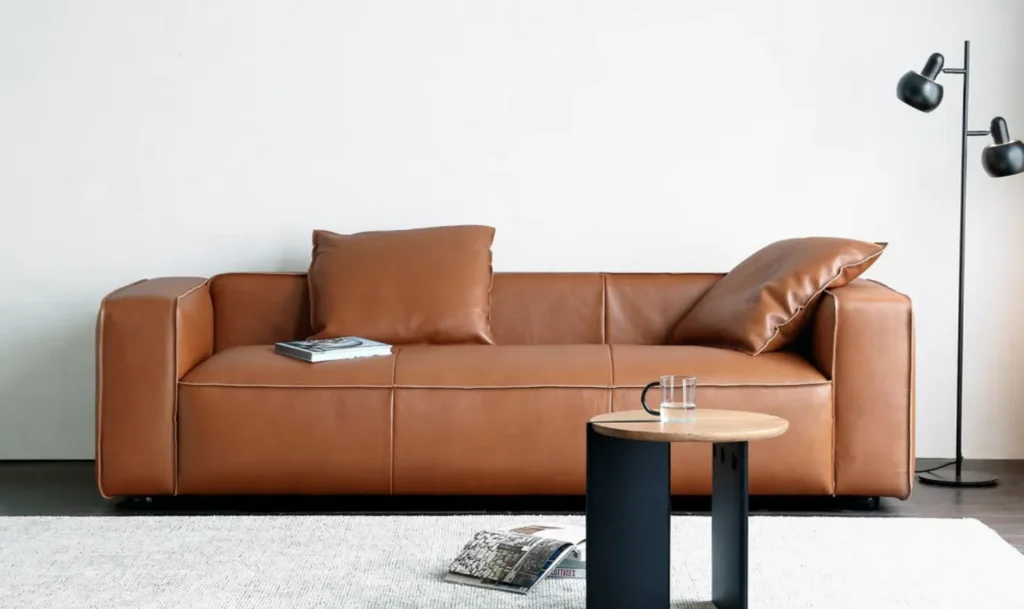
Leather can still be a great pick for contemporary interiors if they choose quality, protected leather and avoid direct sun. Australia’s harsh light can fade and dry materials, so placement and window coverings matter.
What seat cushioning feels comfortable but still holds its shape?
They should look for high-resilience foam or foam wrapped with fibre for a softer top feel. That combination usually gives a supportive sit without looking flat after a few months.
If they prefer a plush, sink-in lounge, feather blends can feel amazing, but they often need more fluffing. The best choice depends on whether they want low-maintenance structure or hotel-style softness.
What contemporary chaise sofa styles are most popular in Australia right now?
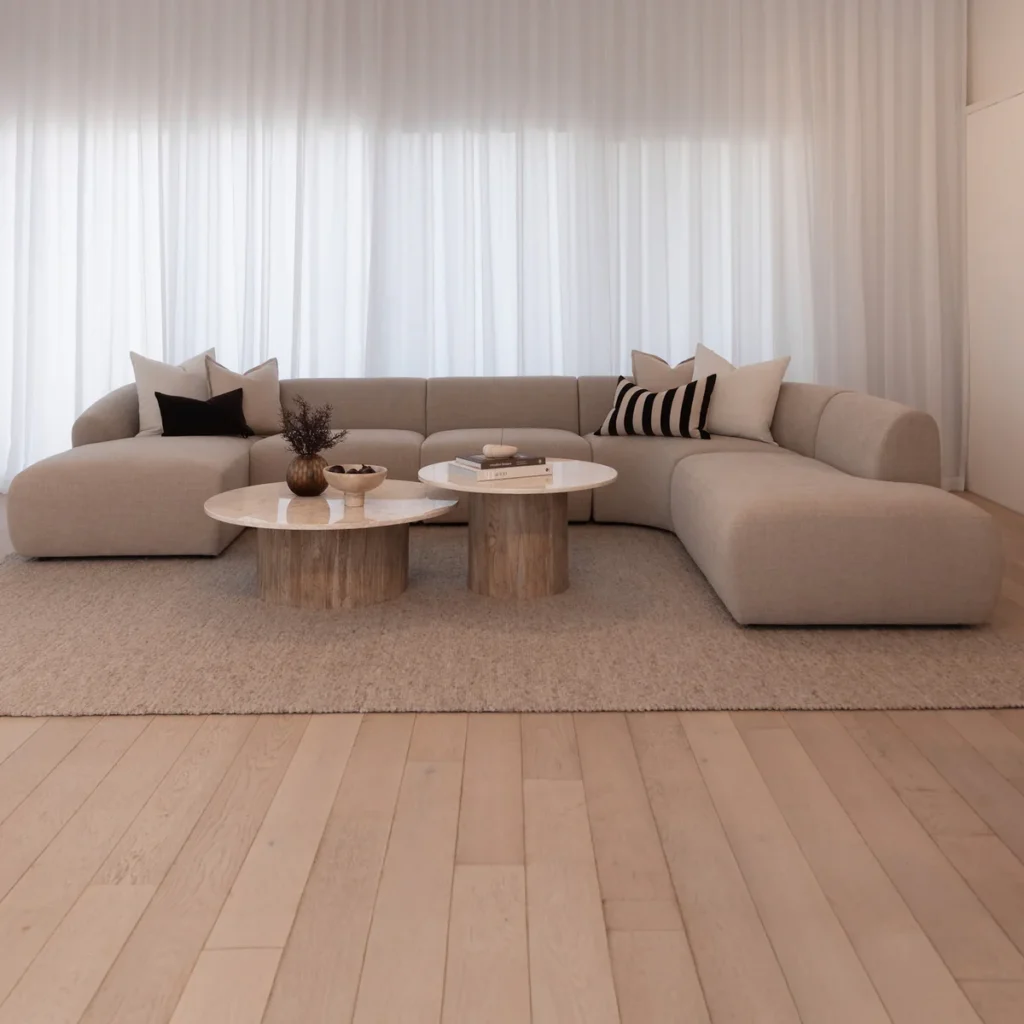
The most common contemporary look is clean-lined and low-profile, often with simple arms and a wide chaise for proper lounging. Many designs lean “soft modern,” pairing minimal shapes with textured fabrics like bouclé or woven blends.
Modular chaise sofas are also popular because they flex with renters and growing households. If they like to rearrange, a modular configuration can keep the room feeling fresh without buying new furniture.
Should they buy a chaise sofa with storage or a sofa bed?
If they live in an apartment or need to hide clutter fast, chaise storage can be genuinely useful. It is ideal for throws, spare cushions, kids’ toys, and seasonal items without adding extra cabinets.
A chaise sofa bed suits homes that host guests but lack a dedicated spare room. They should check the mechanism quality and mattress thickness, because “looks good” does not always equal “sleeps well.”
How can they tell if a chaise sofa is built to last?
They should start with the frame: kiln-dried hardwood or quality engineered timber is usually a good sign. Next comes suspension, where sinuous springs and webbing can both work well when done properly.
They should also check practical details like fabric rub counts, removable cushion covers, and solid joinery. Warranties can help, but build quality is still the best indicator of long-term comfort and shape retention.
What is a realistic price range for a good chaise sofa in Australia?
A realistic starting point for a decent, comfortable chaise sofa is often around AUD $1,500–$2,500, with better materials and stronger frames climbing higher. Premium modulars and designer options can push beyond $4,000–$8,000 depending on size and fabric.
They should treat pricing as a signal, not a guarantee. A mid-range sofa can outperform an expensive one if the frame, suspension, and upholstery choices are right for their household.
What measurements should they check before buying?
They should measure the full width, chaise depth, and overall depth, then compare those numbers to the room and door access. Delivery issues are common, so they should also measure hallways, stairwells, lifts, and tight turns.
Seat depth and seat height matter too. If they are shorter, deep seats can feel awkward without extra cushions, while taller people may prefer more depth for lounging.
How should they match a chaise sofa to the rest of the room?
They should match the sofa’s visual weight to the space. In lighter, airy rooms, raised legs and slimmer arms keep the look contemporary and open, while grounded low-profile sofas suit larger rooms with bold rugs and layered lighting.
Colour choice should be practical. Mid-tones and textured weaves hide wear better than stark white or flat dark fabric, especially in busy households with pets or kids.
What is the simplest way for them to choose the right chaise sofa?
They should choose the layout first, then size, then upholstery, and only then focus on the style details. That order prevents the most common mistake: buying a beautiful chaise that does not fit the room’s traffic flow.
If they want one quick shortlist, they can prioritise a medium-firm seat, durable fabric, a chaise orientation that keeps walkways clear, and a frame backed by a solid warranty. That is where comfort meets contemporary design without regrets.
FAQs (Frequently Asked Questions)
What makes a chaise sofa the best choice for Australian homes?
The best chaise sofas in Australia balance relaxed lounging, practical fabrics, and proportions suited to local homes and apartments. They should feel supportive for sitting, long enough for stretching out, durable for high-traffic living, and match the room’s scale to avoid overwhelming smaller spaces.
How do I decide between a left-hand or right-hand chaise sofa?
Choose the chaise orientation based on your room’s flow, not personal preference. The chaise should extend into open space without blocking main walkways between doors, hallways, and TV zones. When facing the sofa, a left-hand chaise is on the left side; a right-hand chaise is on the right. You can mark the footprint with painter’s tape to test movement around it.
What size chaise sofa works best for small Australian living rooms?
For smaller rooms, prioritize a slimmer arm profile, higher legs, and shallower seat depth to keep the sofa visually lighter and avoid crowding. Compact chaise sofas typically range from 2300–2600 mm wide. Ensure you maintain at least 800–900 mm of clear passage where people regularly walk.
Which upholstery is ideal for Australian conditions: fabric or leather?
Performance fabric is generally the safest all-round choice as it resists everyday wear, feels comfortable year-round, and avoids the hot and sticky sensation some leathers have in warmer months. Leather can suit contemporary interiors if it’s quality protected leather placed away from direct sun to prevent fading and drying due to Australia’s harsh light.
What type of seat cushioning offers comfort while maintaining shape?
Look for high-resilience foam or foam wrapped with fibre to achieve a balance of softness and structural integrity, as highlighted in sofa cushion filling types and long-term comfort performance considerations. Feather blends deliver a more plush, hotel-style feel but require regular maintenance and fluffing to retain shape. Selection should be guided by whether the priority is low-maintenance durability or a softer, high-comfort seating experience.
How can I ensure my chaise sofa is built to last in Australia?
Check that the frame is made from kiln-dried hardwood or quality engineered timber. Suspension systems using sinuous springs or webbing are effective when well-made. Also verify fabric durability (rub counts), removable cushion covers, solid joinery, and consider warranties as indicators of long-term comfort and shape retention.